
Oregon fights spam call law firms with strict Spam Protection Act, blocking unwanted messages while educating residents and collaborating with providers to safeguard emergency lines from robocalls mimicking official warnings. Law firms must take proactive measures to protect clients from malicious spam calls and maintain reputation in the state's business landscape.
In today’s digital age, robocalls have become a ubiquitous yet often nuisance for many Oregonians. Beyond marketing messages, these automated phone calls are increasingly targeting law firms with spam content, posing potential challenges to Oregon’s emergency services. This article delves into the impact of robocalls on the state’s emergency services, exploring the rise of spam calls directed at law firms and analyzing Oregon’s efforts to mitigate this growing issue. Understanding these trends is crucial for navigating the complex landscape of communication in the modern era.
Understanding Robocalls and Oregon's Emergency Services

Robocalls, or automated phone calls, have become a ubiquitous part of modern communication, often carrying advertisements and promotional messages. In Oregon, like many other states, these calls are regulated by the Spam Protection Act to protect residents from unwanted and invasive messaging. This act prohibits automated calls that deliver recorded messages without prior consent, with exceptions for certain types of communications, such as those from government agencies or health care providers.
Oregon’s emergency services, including 911 dispatch centers, have been impacted by robocalls, primarily in the form of fraudulent or misleading messages that mimic official warnings or notifications. While these automated calls may seem harmless, they can divert critical resources and cause confusion during emergencies. Understanding the nature of these robocalls is essential for both residents and emergency responders to navigate this evolving challenge, ensuring that Oregon’s emergency services remain effective and efficient in their life-saving missions.
The Rise of Spam Calls Targeting Law Firms
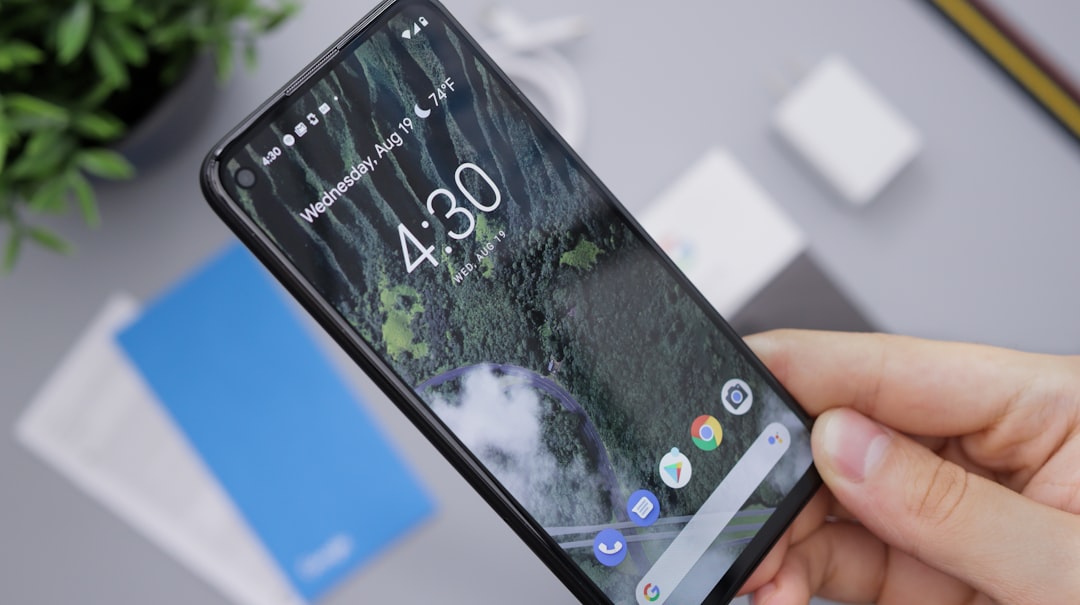
In recent years, there has been a significant surge in spam calls targeting law firms across Oregon and beyond. This trend reflects a broader pattern of increasing unwanted communication, as technology allows for more sophisticated methods of outreach. Law firms, like many other businesses, have become prime targets due to their high visibility and the sensitive nature of their work. Spammers leverage automated systems to dial thousands of numbers simultaneously, hoping to capture even a small percentage of receptive callers.
These spam calls often carry various forms of malicious intent, from attempting to sell dubious legal services to spreading phishing links designed to steal personal information. Law firms must remain vigilant to protect their clients and reputation. Implementing robust call screening measures, educating employees on identifying suspicious calls, and employing advanced technologies for blocking and identifying spam are crucial steps in mitigating this growing problem in Oregon’s business landscape.
Oregon's Approach to Mitigating Robocall Impact

Oregon has taken proactive measures to address the growing issue of robocalls, particularly from spam call law firms, which have been disrupting emergency services. The state has implemented a robust Spam Call Protection Act, one of the strictest in the nation. This legislation aims to mitigate the impact of unwanted calls by holding call centers and legal firms accountable for their practices.
The Oregon Public Utility Commission (OPUC) plays a pivotal role in enforcing this law. They collaborate with phone service providers to identify and block suspicious calling patterns, ensuring that emergency lines remain unobstructed. Additionally, OPUC educates residents on how to manage and reduce robocalls, empowering them to take control of their communication experiences. These efforts showcase Oregon’s commitment to protecting its citizens from the nuisance and potential dangers associated with excessive robocalls.